California, Be Ready: A Simple Plan for Disasters and Other Emergencies
Composed by Chief Editor, Pleshette Robertson
An emergency can change your day in minutes. Heavy rain can flood roads. Wildfires can force families to leave home. Earthquakes, power outages, and acts of terrorism can also happen with little warning.
A recent article shared by Yahoo Finance about Pentagon “doomsday” preparations brings attention to emergency planning. Headlines like this can feel scary, but a headline alone does not mean an attack is about to happen.
For families, the takeaway is simple: Be aware, stay informed, and have a plan. Federal preparedness guidance encourages households to build a kit, make a family plan, and learn how to respond to both natural disasters and terrorist attacks.
Whether you own or rent your home, these steps can help.
1. Sign up for alerts.
Get emergency notices from your county. Sacramento County residents can visit Sacramento Alert. Follow official instructions and check information before sharing alarming posts.
2. Make a family plan.
Choose a safe meeting place and someone outside your area everyone can contact. Write down important phone numbers. Plan how children, older adults, people with disabilities, and pets will get help.
Talk about what to do if you must leave home or stay inside. Practice together.
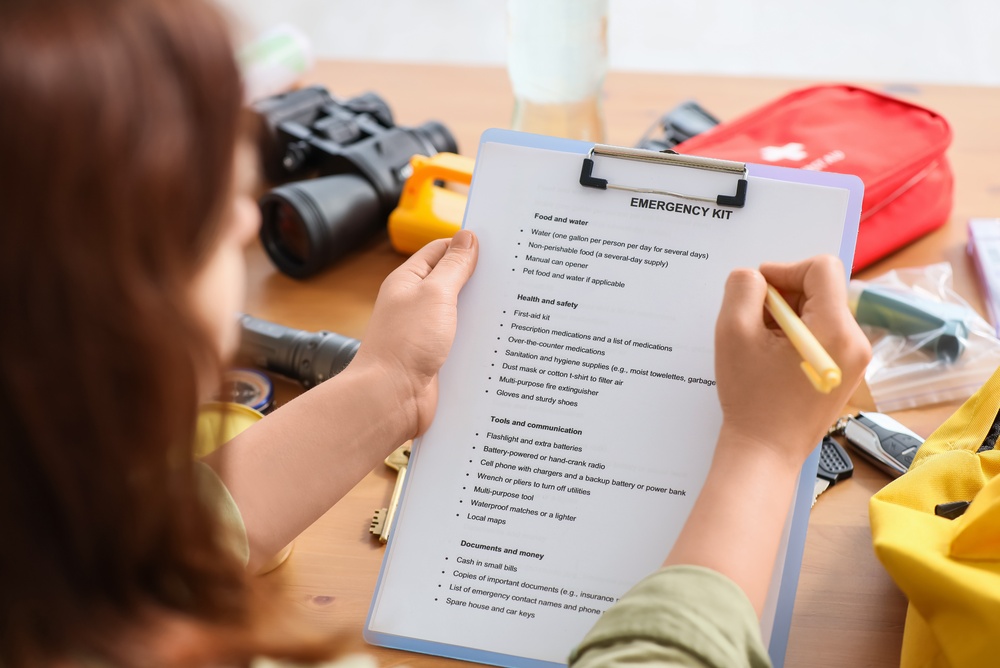
3. Build a home supply kit.
Start with what you have and add items as your budget allows:
- Water: at least one gallon per person each day for three days.
- Food that keeps without refrigeration and a manual can opener.
- Flashlights, batteries, and a battery-powered radio.
- First-aid supplies, needed medicines, and hygiene items.
- Phone chargers, power banks, and some cash.
- Baby supplies, pet food, and extra water for pets.
Try to store a two-week water supply if possible. Some people, including pregnant people and those who are sick, may need more.
4. Pack a grab-and-go bag.
Keep keys, glasses, medicine, emergency contacts, and copies of important papers together. Protect documents in a waterproof pouch. Store your bag where you can reach it quickly.
5. Get your home ready.
Check smoke and carbon monoxide alarms. Keep exits clear. Homeowners should address drainage problems and clear gutters when safe. Renters should ask management about building exits and emergency plans.
6. Prepare for power outages.
Charge phones before storms. Use flashlights instead of candles. Plan backup power for needed medical devices with your health care team.
Never use a generator, grill, or fuel-burning camping stove inside your home or garage. Review power outage safety guidance.
7. Follow instructions for the emergency.
Some emergencies require leaving; others require staying inside. Follow local officials’ directions. Never drive through floodwater. During a suspected attack, move away from danger when safe and call 911 once you are safe.
Being prepared is an act of care for yourself, your family, and your neighbors. Start today—one step at a time.
Helpful Resources
- Listos California: Disaster Readiness
- Ready.gov: Emergency Supply Kit
- CAL FIRE: Wildfire Preparation
- FEMA: Terrorism Preparedness